
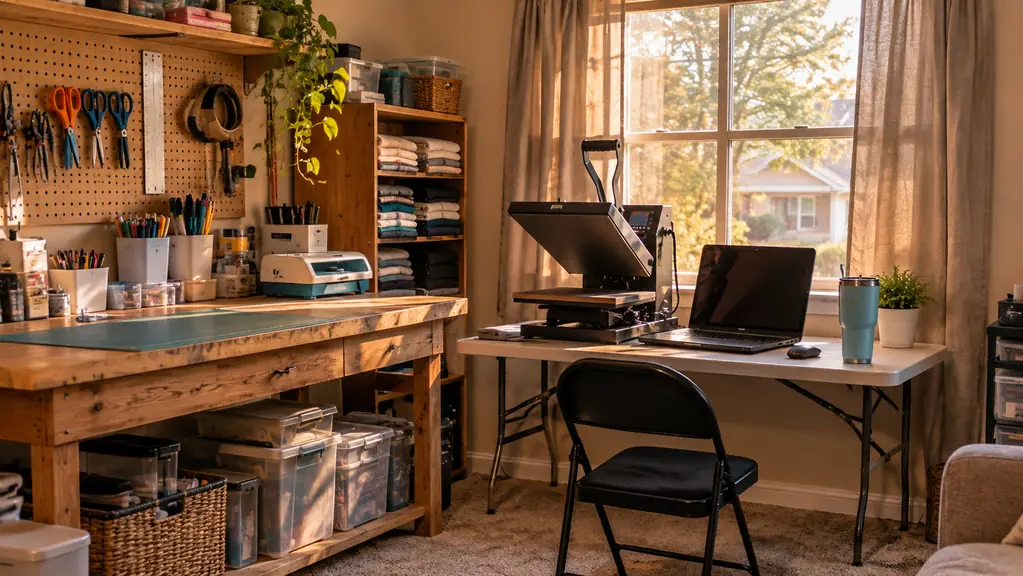
The tumblers came off the press looking like someone had breathed on them and never wiped it off. Six of them, a whole set for a friend's bridal party, and every one had the same soft blur across the bottom half. Not a scratch. Not a bubble. Just a haze over the lettering that would not press out no matter how much pressure I gave it. I sat on the floor of the spare bedroom and stared at them.
I had already blamed everything else. The blanks. The ink. The temperature, the time, the pressure. I had run the toaster oven the same way I always ran it. I had taped the prints down flat and checked every seam. The one thing I had not questioned was the paper, because paper is paper, and I was feeding the machine a big cheap pack with no brand name on the wrapper at all.
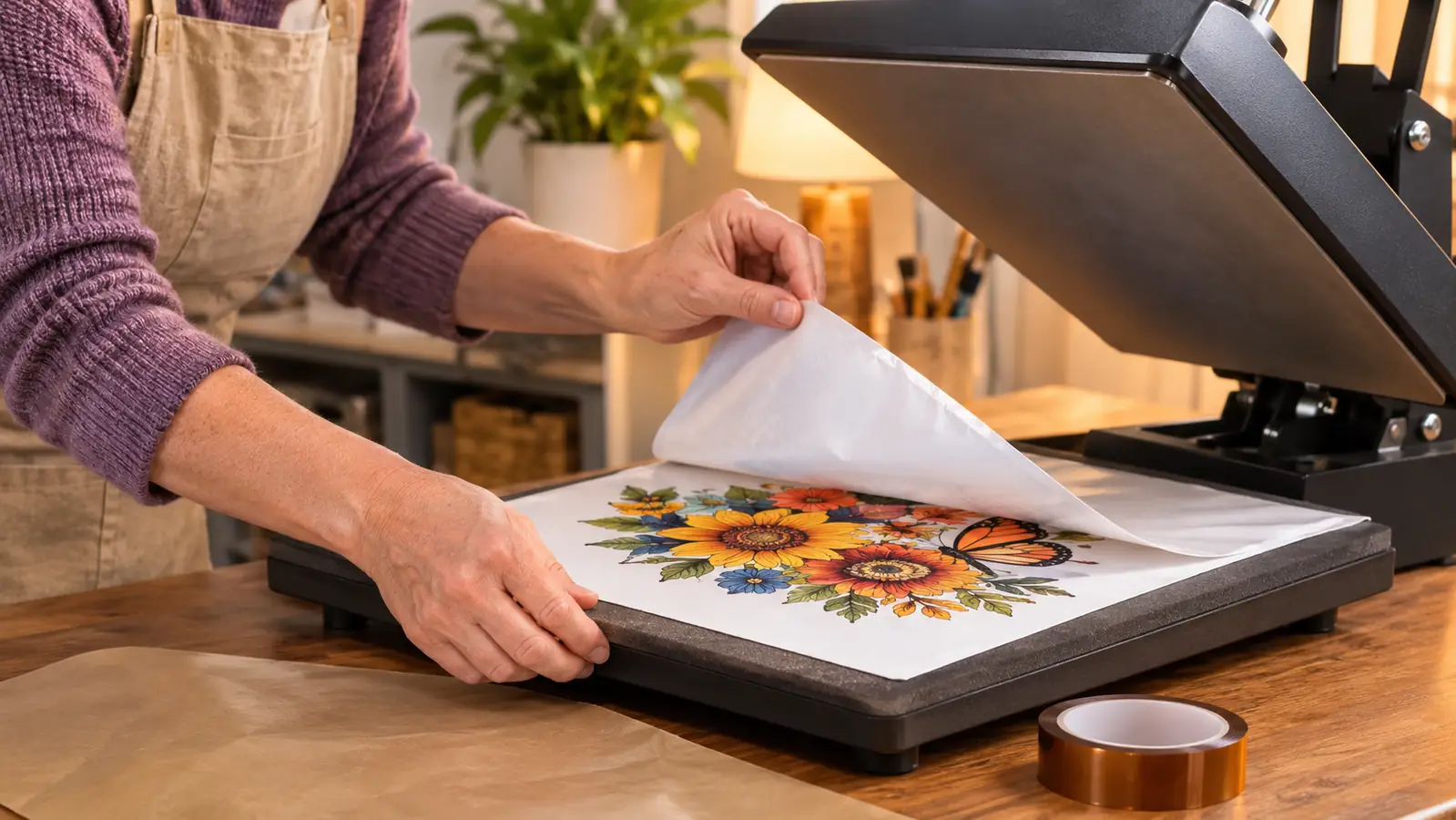
It was the paper. I switched to A-SUB Sublimation Paper in the first week of May, 8.5 by 11 inches, 110 sheets to the pack at 125g, and I have used it for every sublimation print since. Shirts and tumblers both. That haze has not come back once. Those generic sheets were laying down ink unevenly, and nothing I did on my end was ever going to change that. A-SUB is now the only paper that goes into my printer, and I keep a spare pack flat in a drawer so I am never caught short on a Saturday evening.
I did not find it by testing twelve brands. I found it because that same Saturday in late April my converted EcoTank clogged solid in the middle of the job and I had to make a decision fast. I ordered the Epson F170, the A-SUB paper and the HTVRONT tumbler press together, with my own money, and the following Saturday I remade all six tumblers. Sharp edges on the lettering. No haze. No streaks. I still have the first one of that second batch sitting on my desk, and I look at it sometimes when I need reminding that the fix is usually smaller than the panic.
Six months in, here is what I know about how it behaves. It only works with sublimation ink. Regular ink will not transfer at all, and that sounds obvious until you are standing at the printer at nine at night wondering why the sheet came out dull. It also only works on the right blanks. White or light polyester, or a material with a cotton content under 30 percent. Straight cotton will not take it. That is exactly why I keep Siser EasyWeed on hand for cotton shirts and save the sublimation for the blanks that can actually hold it.
The press and the ink were fine the whole time. The paper was the thing quietly ruining the job.
The Fix Was a Sheet of Paper, Not a New Machine
A-SUB Sublimation Paper, 8.5 by 11 inches, 110 sheets, 125g. One pack used all the way through is what ended the haze on my tumblers and shirts.
Amazon Check Today's Price on Amazon →The print side is the part that will trip you up. It is easy to load a sheet the wrong way around and never notice until you are peeling the transfer off a hot tumbler and there is almost nothing on it. I check every sheet now, holding it up to the window and looking for the face that is slightly smoother and slightly shinier, before it goes anywhere near the tray. Four seconds of my life, and it has saved more blanks than I want to count.
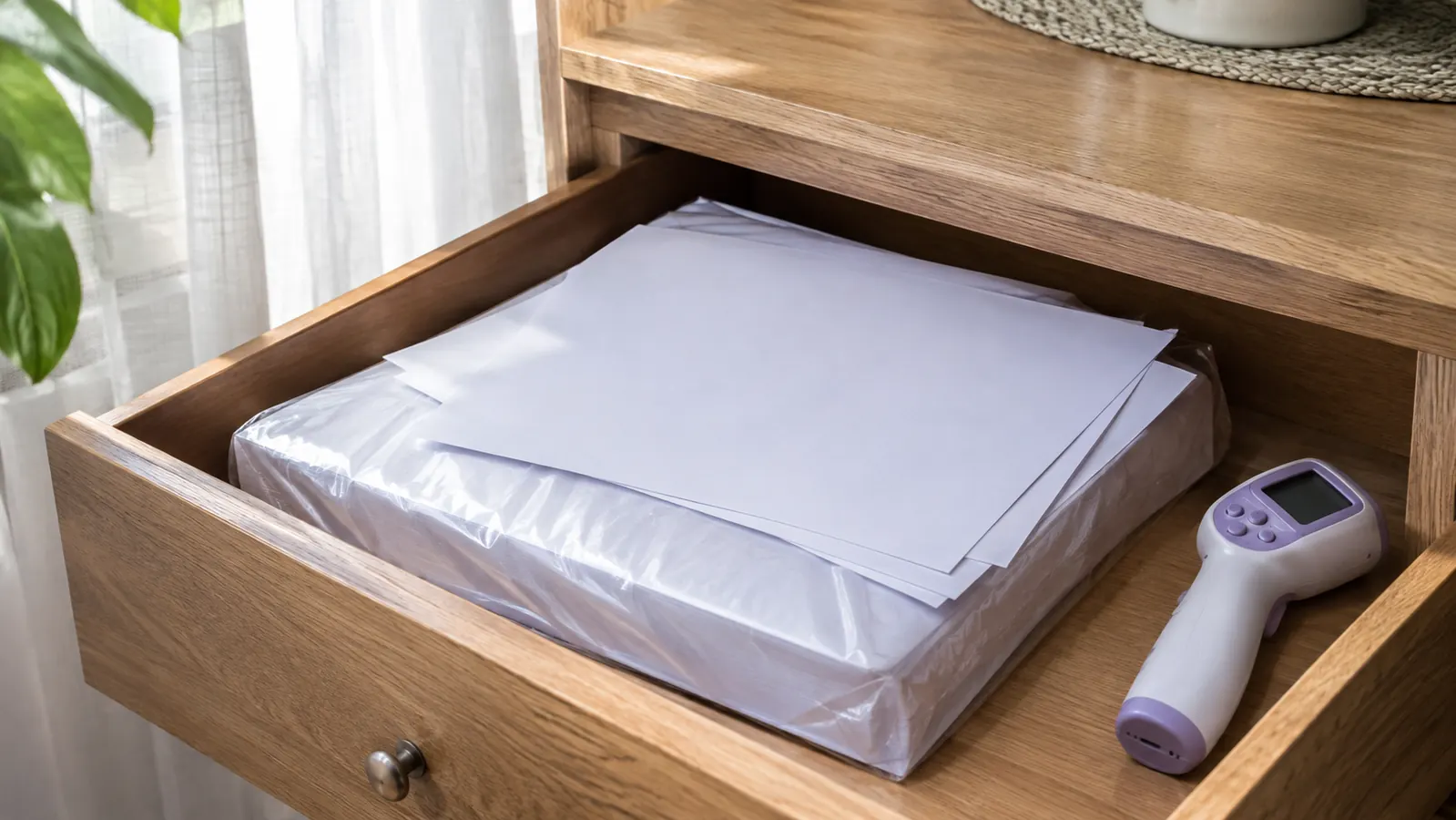
Humidity is the other thing, and that is not the paper's fault. In an Indiana summer my spare bedroom gets thick and the sheets start to curl at the corners, which catches in the printer and drags the print off square. I keep the A-SUB pack flat in a drawer, still in the wrapper, and I only pull out what I am about to use that evening. It costs nothing to do it that way and I have not had a jam since May.
The transfer itself looks different from the cheap sheets. On a polyester shirt the color comes off more evenly and the edge of the design is cleaner, so I am not sitting there trimming around a fuzzy border. My numbers have not changed at all. Polyester shirts at 385 F for 50 seconds on the Fancierstudio press, tumblers at 365 F for 150 seconds in the tumbler press. Same press, same ink, same times. The only thing different is the sheet in the middle, and that has been enough.
Two honest notes. The listing talks about coated blanks, ceramic, metal, phone cases, that whole family of things. I do not make any of those, so I cannot vouch for them. I make shirts and tumblers, and that is the whole of my experience. Second, my friend Pam uses a different paper at her bench in the garage and I have tried it a few times. It works fine. I just did not have a reason to switch once these sheets started behaving, and I am not the type to change a thing that is already working.
What I'd Tell You If We Were Sitting at My Kitchen Table
If you are where I was in April, staring at a blurry tumbler and reaching for your card to buy another gadget, stop. The gadget is probably fine. Your press is probably fine. Check the paper first. Print one small test, press it, and give it a proper look in daylight before you commit a whole set to a Saturday.
Buy one pack and use it all the way through before you decide anything. I did not see the full difference on the first tumbler. I saw it over six or seven jobs, when I realized I had stopped bracing for a bad one every time the press opened. That is the test that actually matters, not the first print off the top of the pack.
And keep the pack flat, keep the wrapper, check the print side every single time, and do not expect paper to rescue a blank that was never meant for sublimation. It will not do that. It will just be a slow way to learn a lesson about polyester content that you could have read on a label.
One more thing, because I wish someone had told me. When the blurry set happened, I had already spent weeks assuming the problem was me. My hands, my timing, my taping. It never once occurred to me that a supply I had bought because it was cheap was the weak link in an otherwise fine setup. If you are second-guessing yourself right now over a print that will not come out clean, buy the A-SUB pack, run one tumbler, and let the paper answer the question for you.
One Pack, Checked on the Print Side, Kept Flat in a Drawer
This is the exact paper I have printed every shirt and tumbler on since May. 8.5 by 11 inches, 110 sheets, 125g, sublimation ink only.
Amazon See the Current Price on Amazon →